Plan to bring more beavers back takes step forward

 Forestry England/Sam Oakes
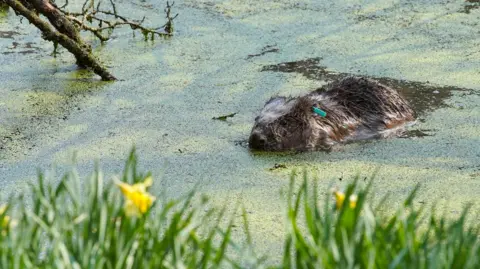
Beavers could be closer to being released in a new area as plans progress.
The large rodents were reintroduced in the Lowther Estate near Penrith, Cumbria, in 2020, but Forestry England said its initial expression of interest for a similar plan in Ennerdale had been successful and it had been invited to convert it into a full application.
The proposal included plans to release 30 adult beavers, likely as 15 pairs, with any additional dependent kits in their family groups, which could take the total up to 50.
Forestry England project lead, Hayley Dauben, said the animals would bring "lots of good benefits" to the Ehen and Calder catchment area.
Beavers are native to the British mainland but they were hunted to extinction in the 16th Century.
Forestry England has had plans for beavers in Ennerdale before, but the idea was paused in 2023 over concerns a proposed metal grill across a river could deter salmon and trout passing through to reach their spawning grounds.
After altering the plans, it said it hoped the first release would be in September 2027.
 Ray Lewis/Kent Wildlife Trust
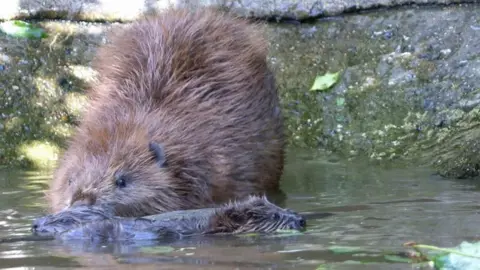
Forestry England project lead Hayley Dauben said beavers were wanted on rivers because of the "habitats they create".
She said their dams could help regulate water flows, help release water during droughts and help keep the water clean.
"So lots of good benefits and habitats that we don't see as much as we used to in our environments," Dauben said.
She added Forestry England had ways to protect individual trees from the beavers if they were of particular concern or importance.
Forestry England said the goal was to submit the application by late 2026 and Natural England could take up to four months to assess it.
In the meantime, the project has asked landowners and stakeholders to get in touch to help shape it, as it wanted to identify 20 possible release sites.