The best places to see Japan in bloom – beyond cherry blossom season

 Alamy
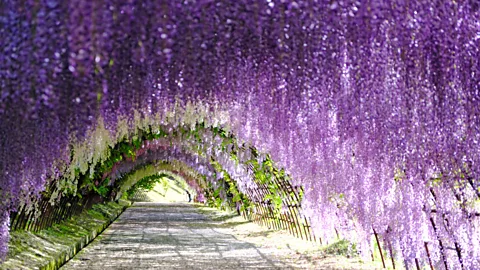
AlamyFrom pink plum blossoms in Setagaya to purple sprays of wisteria in Fukuoka, here are five alternative bloom festivals in Japan – and how to enjoy them responsibly.
Each April of my childhood, my family and I picnicked beneath cherry blossom trees in Yokohama's Negishi Park. We snacked on yakitori (barbecued chicken skewers) as petals drifted around us like pink snowflakes, greeting other families who had also come to quietly enjoy Japan's beloved tradition of admiring spring blooms.
Today, that peaceful experience is harder to find. A post-pandemic surge in international tourism – fuelled by social media and a weakened yen – has brought record crowds to Japan's most famous sakura (cherry blossom) viewing spots, along with complaints of littering and trespassing. In Fujiyoshida, near Mt Fuji, officials recently cancelled the city's 2026 sakura festival, after visitor numbers swelled to 200,000 visitors each season.
But cherry blossoms are just part of a broader tradition. Across Japan, plum blossoms, azaleas, wisteria, hydrangeas and lavender each have their own moment in the calendar, with festival and traditions that stretch far beyond spring.
"Japan is all about seasonality," said Taylor Bond, content director for Deeper Japan. "While sakura grabs international attention, domestically there's just as much interest in other seasonal flowers."
By venturing beyond the most famous sakura spots, visitors can help ease pressure on overcrowded destinations while discovering a more layered version of Japan's bloom culture. Here are five alternatives worth travelling for.
 Alamy
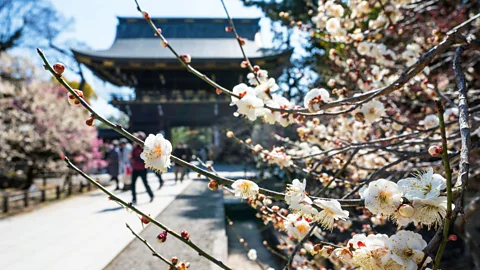
AlamyPlum blossoms (February-March)
Japan's earliest blooms are ume (plum blossoms), which begin flowering in mid-February and last through March, signaling the arrival of spring.
Did you know?
Plum blossoms were Japan's most celebrated flower during the Nara Period (710-794CE). Cherry blossoms only became the country's most famous bloom later during the Heian Period (794-1185CE), when imperial poets began writing extensively about sakura during a gradual cultural shift that embraced a distinct Japanese identity – ume were imported from China, but sakura are native to Japan.
Because they bloom before sakura, plum blossoms are easier to view without the crowds. Their rounded petals resemble cherry blossoms, but they bloom earlier and are known for their sweet fragrance.
One of the best places to see them is Kairaku-en Garden in Mito, Ibaraki Prefecture, where more than 3,000 plum trees transform the park into a sea of pink and white. The annual Mito Plum Blossom Festival – which celebrated its 130th anniversary this year – features tea ceremonies, performances and plum-themed treats.
Closer to Tokyo, Hanegi Park hosts the Setagaya Plum Festival, where 600 trees bloom while weekend visitors enjoy traditional music, tea ceremonies and snacks like plum jam and plum-flavoured mochi.
 Alamy
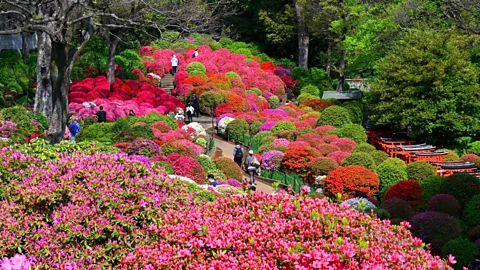
AlamyAzaleas (April-May)
From early April to early May, tsutsuji (azaleas) burst into shades of red, pink, purple and white. The flowers have appeared in Japanese literature since the 8th Century and are often associated with temples, romance and the arrival of summer.
Komuroyama Park in Ito, Shizuoka, and Tokyo's Nezu Shrine are among the best-known viewing spots, though Bond warns that lines here can be upwards of two hours during peak season. Rather than always visiting major sites, she suggests walking around local neighbourhoods to admire blooms instead.
"In all things Japan travel, diversification is the key," Bond explained. "Rather than chasing the social media shot, focus on appreciating the moment. The small glimpses of beauty in the everyday are likely more sustainable – and more enjoyable."
 Alamy
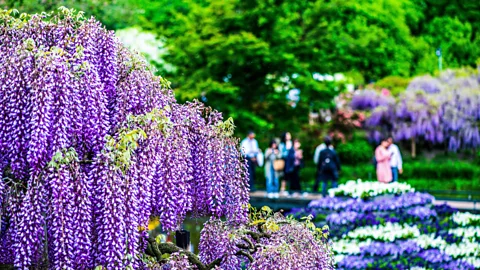
AlamyWisteria (April-May)
Blossoming just after sakura fade, fuji (wisteria) produce cascading clusters of purple, pink and white flowers. The blooms have appeared in Japanese poetry for centuries, including in the Manyōshū, Japan's oldest collection of classical verse.
How to experience Japan's blooms responsibly
Japan's centuries-old tradition of hanami (flower viewing) celebrates the changing seasons with picnics beneath blooming trees. It isn't about chasing the perfect photo; hanami invites people to notice fleeting beauty.
Experience the blossoms as locals do – visit neighbourhood parks and stay on designated paths. Check bloom forecasts from Japan Meteorological Agency, Hanami Walker and local tourism boards. Visit before 10:00 to bypass crowds, and avoid weekends, especially during peak travel times, such as Golden Week at the end of April.
Most of all, "Respect the environment by never plucking flowers or shaking branches to create 'petal rain'," said Wanping Aw, co-founder of Japanese travel company TokudAw. "These trees are community treasures. Preserving them for everyone to see is a shared responsibility."
One of the most famous displays is the Great Wisteria Festival at Ashikaga Flower Park, about an hour from Tokyo, where more than 350 trees bloom here each spring, including a 160-year-old specimen. The wisteria tunnels at Kawachi Fujien Garden in Fukuoka are another iconic sight, though both locations now require advance booking.
For a quieter experience, head to Kasukabe Wisteria Festival, a local celebration north of Tokyo that's held over the last weekend of April. Wisteria vines drape along a 2km stretch outside Kasukabe Station filled with parades, performances and local food stalls.
"It has become the city's signature spring event," said Yukinori Orihara, secretary general of the Kasukabe City Tourism Association. "The charm of the Wisteria Festival lies in its ability to generate a sense of unity among local residents."
 Getty Images
Hydrangeas (June)
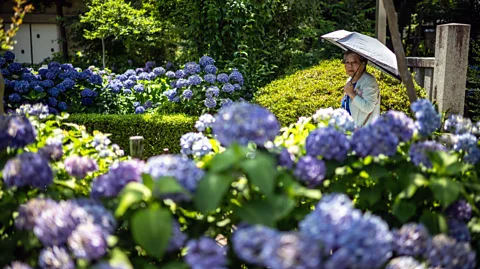
As Japan's rainy season begins, ajisai (hydrangeas) begin to bloom in soft blues, violets and pinks.
With more than 100 varieties across the country, the vibrant flowers have appeared in Japanese records since the 8th Century. Parks and shrines around Tokyo and Kamakura fill with colour each June, including Asukayama Park, Sumida Park and Hakusan Shrine.
Akiruno's Wonderful Nature Village hosts an annual Hydrangea Festival, featuring around 15,000 flowers and 60 varieties. Hakusan Shrine in Bunkyo, Tokyo, celebrates the occasion with the Bunkyo Ajisai Festival combining food stalls and local performances against the backdrop of pink and purple hydrangeas and a 10th-Century Shinto shrine.
Dana Yao, co-founder of Dana Yao Media, says hydrangea season is her favourite. "It's such a different experience from cherry blossom season, and I love how the colours pop during the rainy season."
 Alamy
AlamyLavender and alpine flowers (June-August)
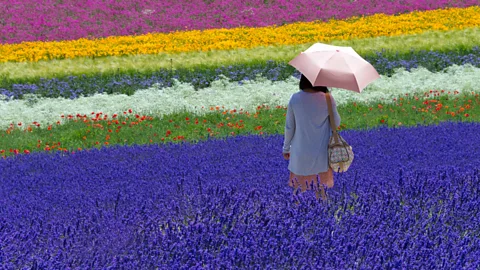
Summer brings a burst of blooms to Japan's northern island of Hokkaido. Lavender fields in Furano stretch across rolling hills from late June to early August, creating vivid purple landscapes set against the Tokachi Mountains. Farm Tomita is one of the best-known lavender farms, and hiring a car allows travellers to explore quieter fields across the region.
For a more remote experience, head to Rebun Island, about 50km (31 miles) off Hokkaido's northern coast. Known as the "floating island of flowers", the island forms part of Rishiri-Rebun-Sarobetsu National Park and is home to rare alpine plants that bloom from May through September.
More like this:
• Japan's 97-year-old cherry blossom guardian
• 10 things all visitors to Japan should know
• The best places to see cherry blossoms in Kyoto
Among them is the delicate Rebun Atsumori-so orchid, which appears briefly in late spring. Visitors can join guided walks through protected areas. "The orchid carries deep cultural symbolism linking nature and samurai heritage," said Takeru Kawamura of the Rebun Island Tourism Association.
--
If you liked this story, sign up for The Essential List newsletter – a handpicked selection of features, videos and can't-miss news, delivered to your inbox twice a week.
For more Travel stories from the BBC, follow us on Facebook and Instagram.