Minimum wage rise 'tipping point' for businesses

 PA Media
Rising operating costs and wage increases are putting businesses in Cumbria at risk, according to two trade bodies.
UKHospitality says two thirds of members in the area surveyed have cut jobs and staff hours, and one in seven fear they may have to close, with the Lake District particularly affected.
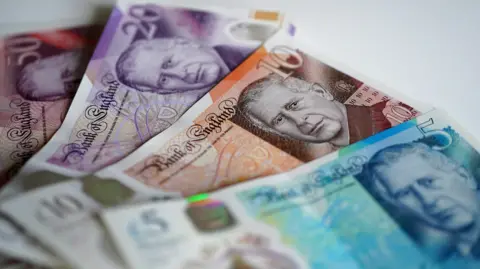
Around 2.7 million people are set to receive a pay rise as the national minimum wage goes up by 50p to £12.71 for over-21s. Younger workers will also get a rise, in a move that has been defended by the government.
The Federation of Small Businesses (FSB) in Cumbria and Lancashire warned the combination of increases in business rates, energy costs and wage rises could be a "tipping point" for some.
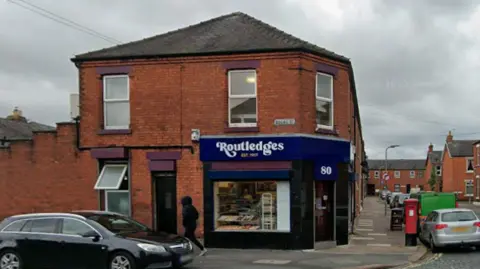
It comes after Carlisle firm Routledges The Bakers announced on Monday it would close all seven shops after 109 years in business due to "relentless increases in operational and ingredient costs".
In a post on Facebook, it said increases in National Insurance and wages, energy renewals and business insurances had pushed up operational costs by more than £100,000.
"Like many small, independent businesses, we absorbed as much as we possibly could, but there comes a point where it is no longer sustainable."
 Google
Regional stakeholder at the FSB Katy Smythe said small businesses in Cumbria were already being "hit hard" by rising energy costs and business rates.
"Wage increases, for employees, are great. It may even add to staff retention, which decreases business costs along the line because there isn't such a high turnover of staff," she said. "But when everything is compounded, it could be a tipping point for some. Many will struggle to pass the cost on to the customer."
'Investing in workers'
The changes to the national minimum wage will also see workers aged 18-20 receive an 85p rise to £10.85, and under-18s and apprentices will get 45p more to £8 an hour.
Minimum wage was increased by 6.7% for over-21s and 16.3% for 18 to 20-year-olds respectively last year, when there was also a rise in employers' National Insurance contributions.
The Low Pay Commission, the government agency which recommended the increases, said previous rises for over-21s had "not had a significant negative impact on jobs".
Chancellor Rachel Reeves told the BBC that because the cost of living is people's number one concern, a wage rise for the lowest paid workers was "appropriate".
UKHospitality's Kate Nicholls said: "It's been a relentless and unremitting series of increasing tax pressures, cost increases and regulatory burdens hitting our sector.
"Our survey data is showing that many businesses will not be able to withstand any more pressures. The tax burden - the highest in the economy - is suffocating the sector.
"The critical word is balance. It's not the wage in and of itself, it's the cumulative tax and cost burden that is putting many of these businesses at risk."
Business Secretary Peter Kyle defended the decision to raise minimum wage, despite it being "difficult times" for businesses.
"I am not going to progress our country and have it moving forward on the back of screwing down on low-paid workers," he said.
"I'm going to take them with us and invest in them and make sure they can enjoy and look forward to a life that gets better year after year."