Coal tits show biggest rise in Scotland's garden birdwatch

 PA Media
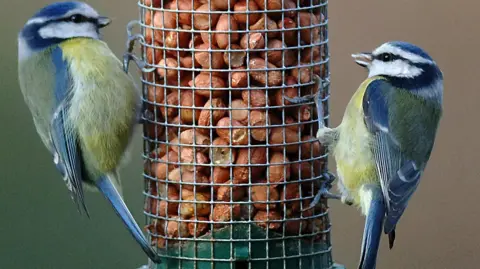
Sightings of blue tits, coal tits and great tits in gardens across Scotland are on the rise while goldfinches and robins are becoming less common, according to the data from the RSPB's annual birdwatch carried out by members of the public.
House sparrows remain the most common bird in Scotland's gardens with starling's retaining second place, despite a fall in the totals seen and the number of gardens they were spotted in.
In contrast, the blue tit made a jump up the rankings from fifth to third, moving above the chaffinch and the blackbird.
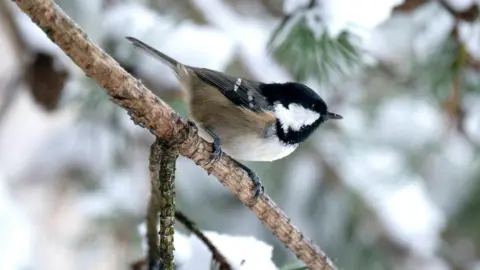
Another member of the tit family, the coal tit, recorded the biggest increase in sightings and entered the top 10 in seventh place, while the great tit held on to ninth place.
The Big Garden Birdwatch, which took place in January this year, is an annual event dating back to 1979.
More than 650,000 people across the UK joined in by recording the number of birds which fly into a garden or a public place over the period of one hour.
Across the UK, the house sparrow was the most common bird although the numbers seen were on average lower than in Scotland.
In contrast, the blue tit was the second most-spotted bird in UK gardens, seen in the highest percentage of gardens, but it was spotted slightly less frequently in Scotland.
The coal tit did not make it into the UK top 10 despite the increased sightings north of the border.
The small bird, distinctive for its grey back and black cap, was particularly popular in Argyll and Bute, the Highlands and the Scottish Borders - the only places in the UK where it made the top five.
What is the most spotted bird in my area?
In the Scottish top 10, the chaffinch maintained its position at number four, with a small increase in the number of birds spotted.
It performed especially well in the west of Scotland with the bird being spotted in three quarters of gardens in Argyll and Bute, the only place in the UK where it was the most-sighted bird.
In West Dunbartonshire, the chaffinch rose from 11th most-spotted to fourth.
Inverclyde was the only council area in the UK where the jackdaw took the top spot, being spotted in more than half of the gardens that took part.
 PA Media
Shetland was one of just two areas of the UK where the collared dove made the top five most-spotted birds.
The islands also recorded sightings of three of the top five rarest species of birds in the entire count - the Fieldfare, the Great black backed gull and the Grey heron.