'Non-invasive' womb cancer test could be rolled out

 University of Leicester
A non-invasive test for womb cancer could be rolled out nationwide after encouraging trial results in Leicester.
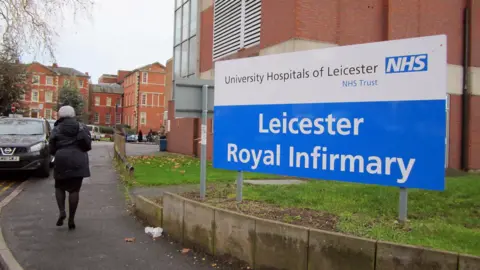
The ECctDNA test, which looks for fragments of cancer in blood, has been developed at the University of Leicester and University Hospitals of Leicester NHS Trust over the past eight years.
Womb cancer, which starts in the lining of the uterus called the endometrium, is the fourth most common cancer in women.
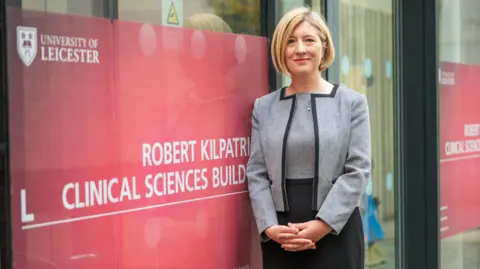
Consultant gynaecological oncologist, Dr Esther Moss, said the test could not only detect cancer recurrence more quickly but also avoid the need for confirmatory invasive biopsies and was undergoing further validation before being used in everyday clinical practice.
 PA
PAAbout 9,800 cases of endometrial cancer are diagnosed in the UK every year.
Moss said: "It can also give important information to the clinical team on the genetic changes that are driving the cancer to recur, which could be used to guide patients' further treatment'.
"For some patients, a pelvic examination following womb cancer treatment can be associated with severe discomfort and can cause patients distress.
"These results support the potential role of this blood test to detect endometrial cancer recurrence, and may be an alternative option for patients where physical examination is very challenging."
The study, published in the journal Precision Medicine, recruited more than 85 women with endometrial cancer.
 Leicester Royal Infirmary
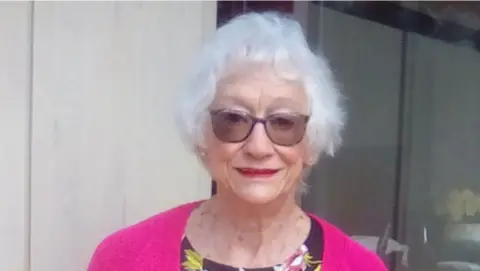
Gillian Stacey, 80, from Leicester, was given six months to live when initially diagnosed 11 years ago.
Her womb was removed and she received follow-up chemotherapy, radiotherapy and brachytherapy.
Despite developing cancer recurrence in the lungs six years ago, Stacey, who also takes a hormonal cancer therapy drug, said she was still fighting.
"I owe my life to Dr Esther Moss," she said. "She performed my surgery all those years ago and has been treating me ever since.
"Initially they thought my cancer was low-grade but when they operated they found it was far more advanced.
"When I heard about the trial, I thought it was the least I could do to help others in the long run to get some benefit.
"I've had many medical examinations over the years and it can be incredibly invasive. You go through it and you do what you have to do, but if there's an easier and less traumatic way to diagnose this type of cancer then that would be a wonderful thing."
Moss and other scientists at the Leicester Biomedical Research Centre and University of Leicester are now working on the additional validation and quality control checks needed to move the ECctDNA test towards use in everyday clinical practice.
Listen to BBC Radio Leicester on Sounds and follow BBC Leicester on Facebook, on X, or on Instagram. Send your story ideas to eastmidsnews@bbc.co.uk or via WhatsApp on 0808 100 2210.