Antibiotics and jabs welcomed after MenB cases

 BBC
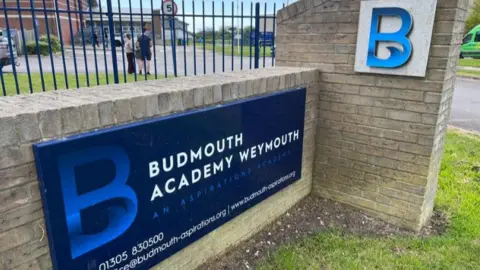
BBCParents and students in Weymouth have welcomed the rollout of antibiotics and vaccinations in the town after three students contracted meningitis.
The cases were confirmed between 20 March and 15 April, according to the UK Health Security Agency (UKHSA). Two students attend Budmouth Academy and the third is at Wey Valley Academy.
Pupils in years 7 to 13 from the two schools are being given the vaccine jab and precautionary antibiotics over the weekend.
Steve, a parent who took his daughter to the clinic at Budmouth Academy on Saturday, said he thought it "best that everyone comes along to do the right thing".

Alexus, who joined the queue at the school with his daughter on Saturday afternoon, said: "We felt it was important for her to be protected."
He said that following the news of the outbreak some families were feeling "a little bit apprehensive and scared", adding: "But, after Covid, you take it in your stride more."
Paul, who also attended the clinic with his son, said: "It was important and worth doing for peace of mind and to keep your children safe."
He added that his son had been feeling "a bit nervous" about the process but said it was "quick and simple, taking about 10 minutes".
 Dorset Council
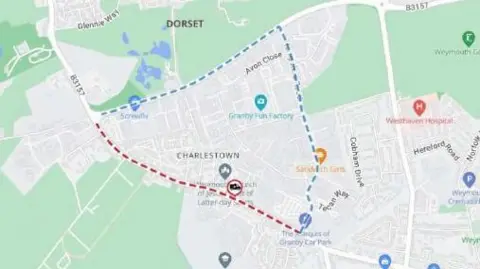
To manage the expected high number of vehicles heading to Budmouth Academy over the weekend temporary traffic routes have been put in place, with drivers being diverted via an industrial estate.
The precautionary medical measures will be offered in stages over the coming days to all those in school years 7 to 13 who study in or live in the Weymouth, Portland and Chickerell areas.
Anyone not in full-time education who would be in one of those year groups will also be able to have a single dose of antibiotics and the vaccine.
Young people aged under 16 attending for a vaccine should be accompanied by a parent or guardian who is able to provide consent for the jab.
The UKHSA has said information about the signs and symptoms of meningitis have been shared with students and parents.
The Dorset cases have been confirmed as meningitis B (MenB) and are the same sub-strain type, but a different sub-strain, to the one detected recently in Kent.
They are not linked to the deadly Kent outbreak, the health agency said.
All three Weymouth students are said to be recovering well.
In Kent, thousands of students are being offered a second dose of the MenB vaccine following the fatal outbreak in March.
The incident saw 20 confirmed cases in total and claimed the lives of sixth-form pupil Juliette Kenny, 18, and a 21-year-old student from the University of Kent, who has not been named.
The signs and symptoms of meningococcal meningitis and septicaemia can include a fever, headache, rapid breathing, drowsiness, shivering, vomiting and cold hands and feet.
Septicaemia can also cause a rash that does not fade when pressed against a glass.
Around 300 to 400 cases of meningococcal disease are diagnosed in England every year.