Warning to keep pets away from infected rabbits

 PA Media
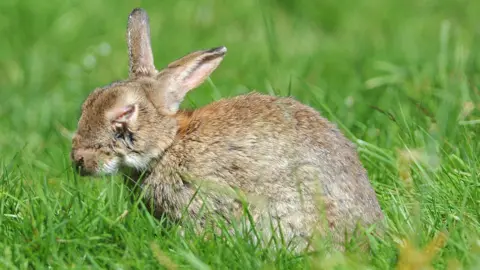
Owners are being encouraged to take extra care with their pets due to wild rabbits starting to show signs of a highly contagious viral disease.
Kelly Hesketh, a registered veterinary nurse with Alderney Animal Welfare Society (AAWS), said they had been handed a number of rabbits with myxomatosis this spring.
Myxomatosis is very often fatal and spread by blood-sucking insects such as fleas and mosquitoes.
Hesketh advised rabbit owners to restrict possible contact between their pets and wild rabbits to reduce the risk of spread and asked cat and dog owners to monitor their pets in case they had eaten the carcasses of infected rabbits.
She advised pet rabbit owners to keep their animals up to date with vaccines and consider fencing or creating designated runs for pets with free reign of the garden.
Hesketh urged owners to discourage their dogs from eating carcasses or infected rabbits and "the same for for outdoor cat owners who find dietary discretion more challenging to control".
Rabbits infected with myxomatosis would be non-responsive, lethargic, uncoordinated, underweight and may have difficulty breathing along with visible swelling, she added.
Fellow registered veterinary nurse at AAWS Bethany Foote asked islanders to bring any unwell rabbits to the practice to ensure the animals would not suffer and said the States would remove any dead rabbits.
"Myxomatosis generally waxes and wanes within the wild population year by year, so this isn't particularly unexpected," she said.
Follow BBC Guernsey on X and Facebook and Instagram. Send your story ideas to channel.islands@bbc.co.uk.