Meningitis antibiotics spark 'phenomenal' response

 BBC
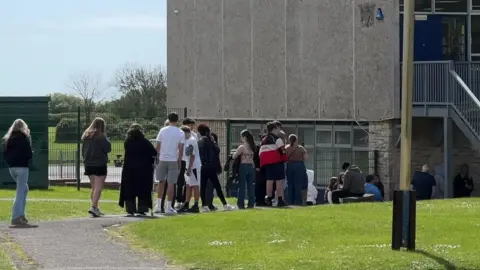
BBCThere has been a "phenomenal" response for antibiotics in a town where three students contracted meningitis, a health care leader has said.
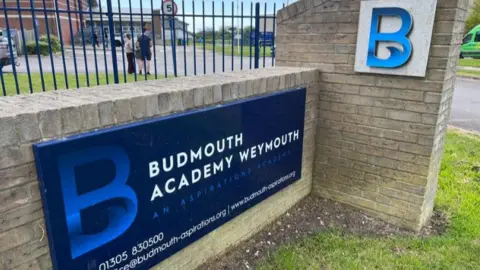
The cases were confirmed between 20 March and 15 April in Weymouth, Dorset, according to the UK Health Security Agency (UKHSA). Two students attend Budmouth Academy and the third is at Wey Valley Academy.
Pupils in years 7 to 13 from the two schools were given precautionary antibiotics during the weekend with a vaccination due to follow.
Dawn Dawson, chief nursing officer of Dorset HealthCare and Dorset County Hospital, said: "We've issued antibiotics to hundreds and hundreds of young people over the weekend - it's been a fabulous start."
She said: "The families were amazing, they brought their children really promptly.
"We had NHS colleagues that gave up their weekend and came and worked on site, colleagues from the local authorities were there as well, we had fire and rescue helping us manage flow... I just want to say thank you to absolutely everybody that's been involved."
Dawson said while meningitis cases were seen in the community every year, "additional precautionary measures" were being taken because of the "cluster of cases together".
Trev, whose daughter goes to Wey Valley and picked up her antibiotics on Saturday, told the BBC: "The fact that the NHS has taken very rapid steps around this is always good from a parent's point of view.
"But obviously, yes, meningitis is not something to be taken lightly… it is something that can be quite scary, it is a killer after all."
He added: "Credit to the nurses and staff that were there, everybody that was called in last minute.
"[My daughter] was absolutely fine. She was a bit nervous before we went down, I had to explain everything about meningitis and why this was so important, not just to her but the people around her... it was very quick, very easy, she took the tablet, all happy."
The precautionary medical measures are being offered in stages to all those in school years 7 to 13 who study or live in the Weymouth, Portland and Chickerell areas.
Anyone not in full-time education who would be in one of those year groups will also be able to have a single dose of antibiotics and the vaccine.
Young people aged under 16 should be accompanied by a parent or guardian who is able to provide consent.
The UKHSA said all those have already taken the preventative antibiotic which gives the most effective short-term protection will also be offered a meningitis B (MenB) vaccination.
It said more information on the vaccination schedule would be provided in due course.
The Dorset cases are the same sub-strain type, but a different sub-strain, to the one detected recently in Kent, and are not linked.
All three Weymouth students are said to be recovering well.
In Kent, thousands of students are being offered a second dose of the MenB vaccine following the fatal outbreak in March.
The incident saw 20 confirmed cases in total and claimed the lives of sixth-form pupil Juliette Kenny, 18, and a 21-year-old student from the University of Kent, who has not been named.
The signs and symptoms of meningococcal meningitis and septicaemia can include a fever, headache, rapid breathing, drowsiness, shivering, vomiting and cold hands and feet.
Septicaemia can also cause a rash that does not fade when pressed against a glass.
Around 300 to 400 cases of meningococcal disease are diagnosed in England every year.
You can follow BBC Dorset on Facebook, X, or Instagram.