House sparrow tops Channel Islands Birdwatch list

 Ian Le Page
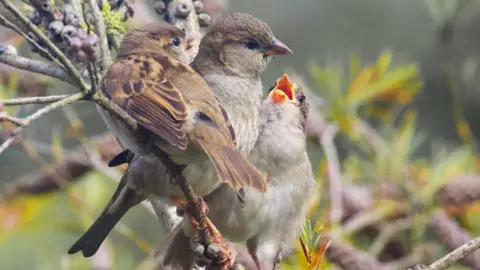
The house sparrow tops the list of the most-recorded bird in the Channel Islands for the second year running in the RSPB Big Garden Birdwatch.
More than 1,000 people in Guernsey and Jersey joined the national bird count in January, spending an hour recording birds in their gardens, balconies, or local parks for the RSPB.
The house sparrow, which ranked top of the list in 2025, remained the most-frequently spotted bird, followed by blue tit which jumped from fourth and wood pigeon in third.
RSPB Guernsey committee member Ian Le Page said the results which provided information on how common birds were faring were "encouraging".
The RSPB said more than 650,000 people nationally took part in the survey, counting more than nine million birds of more than 80 different species.
"The number of participants is pleasing and will hopefully increase in years to come as more youngsters seem to be taking an interest in nature and wildlife," said Le Page
"My own count was similar to what I have experienced in previous years which is encouraging."
Neil Singleton from the Birding Tours Jersey said there was plenty to take away from the results of the survey.
"The main thing is to look after the birds in your garden and have clean feeders," he said.
"This is absolutely essential so that viruses like Trichomonosis which affected the greenfinch are held at bay."
Singleton's comment follows similar advice given by the RSPB after the results of the survey were released.
Charlotte Ambrose from the group said the drop in greenfinch sightings in the Channel Islands and nationally was "alarming".
"It was much higher up on the list many years ago, now its number 18 in the UK and in the Channel Islands it's number 16," she said.
"The changes can be linked to disease but it's a really good point of why we need people to take part to capture that snapshot each year."
The RSPB has issued advice to "feed seasonally, feed safely" to help protect birds from disease.
It advises cleaning feeders thoroughly at least once a week and where possible, relocating them after each clean to prevent contaminated debris from accumulating on the ground beneath.
Follow BBC Cornwall on X, Facebook and Instagram. Send your story ideas to spotlight@bbc.co.uk.