Woman died after treatment removed against wishes

 Stuart Woodward/BBC
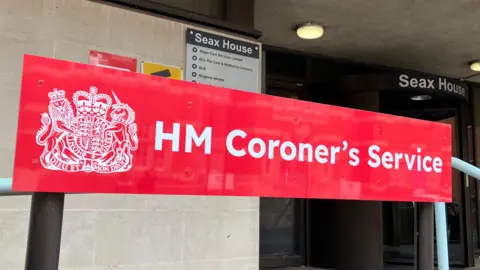
A woman who died in hospital could have lived longer had a misinformed decision to withdraw her treatment not been made, a coroner ruled.
Janet Daniels was pronounced dead on 6 October 2024 at the age of 74, after contracting sepsis which originated from an intravenous line infection.
On 27 September, Daniels had told a clinician at Colchester Hospital that she wished to continue treatment, but a day later, it was decided she be moved to end-of-life care against her wishes.
The area coroner for Essex, Sean Horstead, said her family were given "incomplete information" about her condition. The hospital accepted mistakes were made.
"The agreement of the family members to the discontinuation of intravenous antibiotic treatment was made on the basis of partial and incomplete information," said Horstead, in his prevention of future deaths report.
"In evidence the family confirmed that such agreement would not have been forthcoming had the fuller clinical picture been explained to them."
 Lewis Adams/BBC
Daniels, who suffered from chronic kidney disease and congestive cardiac failure, died six days after the withdrawal of intravenous fluids and antibiotics.
Prior to the decision to move her to end-of-life care, she had been sat up in bed drinking tea, eating cereal and talking with her family, the coroner said.
Despite being in "very significant pain" and having concerns about continuing to live with a reduced quality of life, she said she wished to continue treatment.
Her CRP levels, which indicate inflammation in the body, had significantly improved, and her white cell count showed her sepsis had stabilised.
However, these changes in her condition were not communicated to the family which "reflected shortcomings" by the hospital.
During the inquest, a hospital consultant said Daniels probably would not have died on 6 October 2024 had treatment continued.
Horstead said there was a risk that future patients and family members may not be appropriately consulted if changes were not made.
'Clearer guidance'
The East Suffolk and North Essex NHS Foundation Trust, which runs Colchester Hospital, accepted there had been a "significant failure" in communication.
Adrian Marr, interim chief executive, gave his "deepest condolences" to Daniels' family and said the coroner's findings would be taken "very seriously".
"We have taken action to strengthen how we make and document end-of-life care decisions," he said.
"This includes clearer clinical guidance and improved staff training.
"The improvements we have made will make sure patients and their loved ones are always fully involved in these important discussions and decisions."
Do you have a story suggestion for Essex? Contact us below.
Follow Essex news on BBC Sounds, Facebook, Instagram and X.