Dogs drafted in to help paramedics in water rescue searches

 BBC
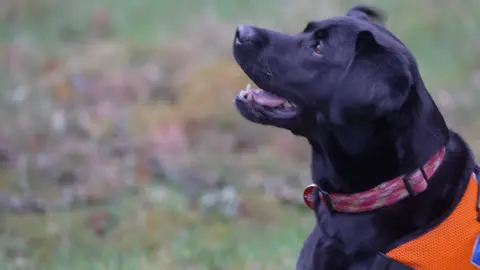
BBCA specialist Scottish Ambulance Service unit which assists water rescues and high-risk searches for missing people is enlisting help from a new source - dogs.
Paramedics from the Special Operation Response Team (SORT) have teamed up with a volunteer group called Central K-9 Search and Rescue for a pilot scheme.
It focuses on hard-to-reach areas, particularly around water, where searches can be slow and dangerous.
Handlers say the dogs can quickly search and make sure large areas are clear.
The hope is that by covering ground quickly, they reduce the time it takes to locate someone and allow medically-trained crews to step in sooner.
If successful, the scheme could be expanded across Scotland.
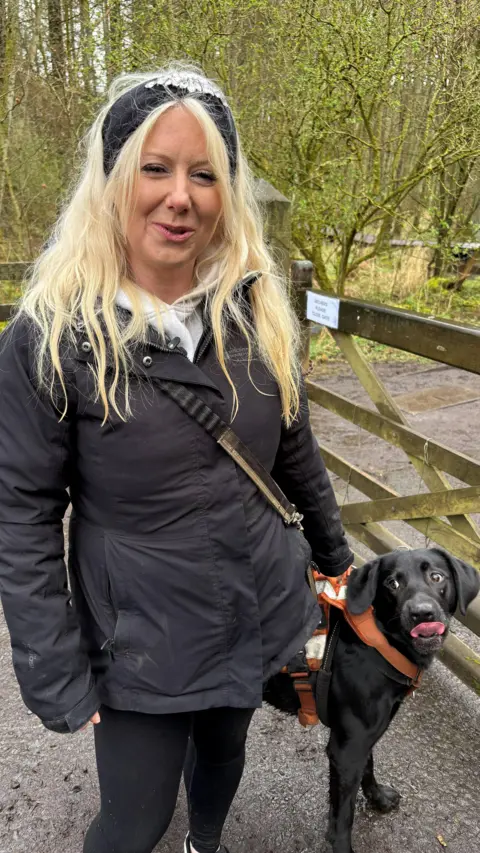
Christine Wilson still remembers the moment her dog Flash first showed he might be cut out for search work.
"He was extremely hyper," she says. "I felt he needed to go to work."
What began as a way to channel his energy has turned into something more serious.
For training they go out maybe once or twice a week, Christine says.
"We work with the dogs in different environments, whether it's beside the water or in the woods," she says.
"For the dogs, it still feels like a game. They work for a toy.
"At the end of it, they get a reward. For them, it's just a big game."
But the game has a serious undertone, she says. That's where the Scottish Ambulance Service (SAS) comes in.
The pilot scheme brings together paramedics and volunteer dog handlers to search for people reported missing near rivers, lochs and other remote areas.
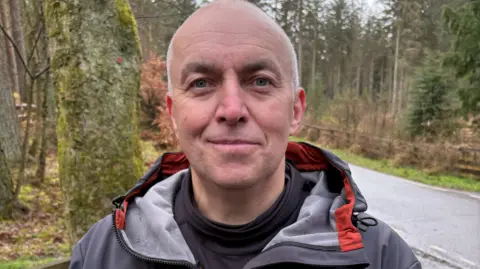
Steve Band, a special operations response team paramedic in Edinburgh, who also runs the dog volunteer group, says the idea grew out of real incidents such as fatalities at Loch Lomond.
"At a water rescue, we'll send our dogs in to try to find missing individuals," he says.
"We can clear the area, and that frees up specialist responders from the ambulance service and other agencies to go waterside and try to find anybody that's missing.
"Unlike some other search dogs, these animals are trained specifically to locate people who are still alive."
He adds: "Our dogs are live personnel search dogs.
"They are there to find individuals who are missing. Other dogs will find people who are dead, that's the main difference."
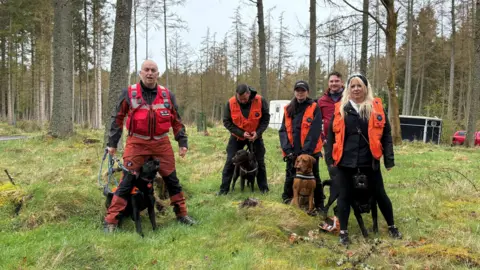
The team is currently operating across the central belt, covering areas from Glasgow to Edinburgh and into Fife.
Demand is expected to rise during the summer months, when more people spend time near water.
"As we come towards summer, it can become an issue," Steve says.
"People go out for the day, they get into difficulty, and we've had incidents in the past where individuals have gone missing."
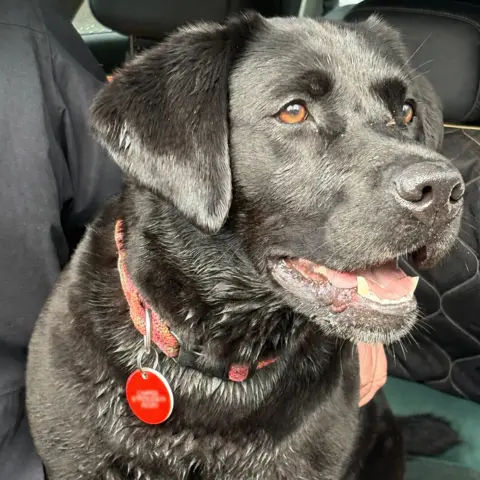
The dogs are trained to work in challenging terrain, including dense undergrowth and riverbanks, where visibility is poor and access can be difficult.
The aim is for the dogs to reduce the time it takes to locate someone, giving medically-trained crews access sooner.
The longer-term aim is to expand the model across Scotland, with more paramedics working alongside trained dogs.
"Hopefully we can recruit more individuals," Steve says, "and cover more of Scotland's geographical area."
Among the current group is Poppy, one of the most experienced dogs in the team.
At four years old, she is still early in her working life, but already helping shape how the role might develop.
Handlers believe dogs like her could become a regular part of emergency response in the future.
For Christine, watching Flash progress through training has already been reward enough.
"It's very, very rewarding," she says.
"You see what they can achieve, and they're very clever."