Weekly round-up: Five stories you may have missed

 University of Reading
A new discovery on an ancient fossil, a former RAF building becoming a holiday let and scientists looking at the health benefits of island life were all among our most read stories in the south of England this week.
We have picked five articles from the past seven days across Hampshire, the Isle of Wight, Dorset, Berkshire and Oxfordshire to keep you up to date.
Earliest known octopus is not an octopus after all
 University of Reading
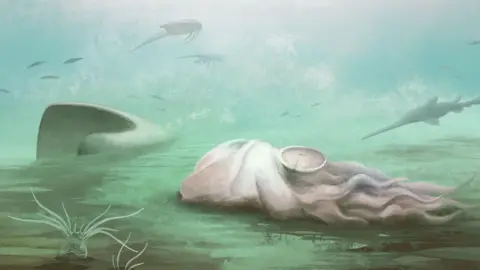
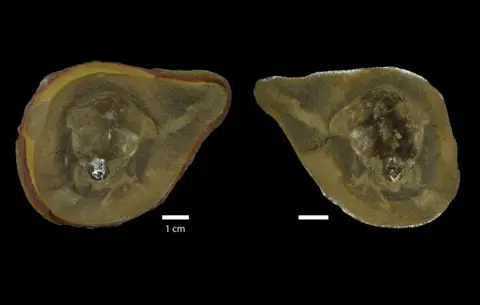
A 300‑million‑year‑old fossil, previously thought to be the remains of the world's oldest octopus, has been identified as a different animal.
Using the latest technology to search inside the fossil, University of Reading researchers discovered tiny teeth that proved it was actually an animal related to a modern Nautilus, a multi-tentacled animal with an external shell.
Zoologists believe the animal decayed for weeks before it was fossilised and this led to the case of mistaken identity.
The fossil, named Pohlsepia mazonensis, had featured in the Guinness Book of Records as the earliest known octopus.
'Wearing a wig has changed my life'

Tucked away on an industrial estate is a small team of people who dedicate their working lives to transforming the self-confidence of others.
Banbury Postiche in Oxfordshire, which has been serving the hair loss and hairdressing industry since 1914, is believed to be one of only two wigmakers in the country still producing wigs from scratch.
Liz Campbell, who has worn its wigs for many years after losing nearly all of her hair as a young girl, told the BBC that wigs changed her life.
But sales director and co-owner Nick Allen is concerned that wig-making is becoming a "dying craft".
Derelict WW2 control tower to become holiday let
 The Landmark Trust
A derelict former World War Two RAF building is to be redeveloped as a holiday let.
New Forest District Council has granted planning permission to convert the former RAF Ibsley control tower near Ringwood, Hampshire.
The former airfield was a station for Spitfires and US fighter-bombers, as well as being a film set for the 1942 war film The First of the Few.
The Landmark Trust said it would restore the building to its "1940s glory" while adapting it as self-catering holiday accommodation for up to eight guests.
Photographer 'humbled' by award-winning picture
 Neil Barnes
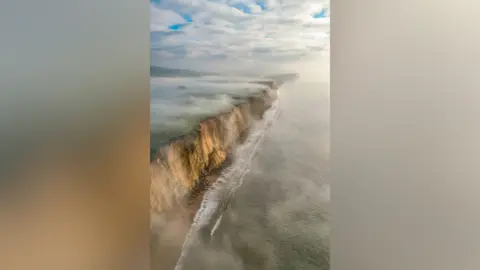
A photographer and his picture of winter mist rolling over cliffs has won the South West Coast Photographer of the Year 2025.
The picture, called Falling Fog, was taken above East Cliff at West Bay in Dorset on a misty January morning in 2025.
Neil Barnes from Dorset says he feels "very humbled" to have this picture chosen as the overall winner and hopes "people get as much enjoyment and wonder at seeing it as I did when I captured it".
Primarily a landscape and seascape photographer, Barnes said he spends "many hours" on the South West coast path locally looking for photo opportunities.
Researchers look into island's health benefits
 Strong Island Paul Gonella
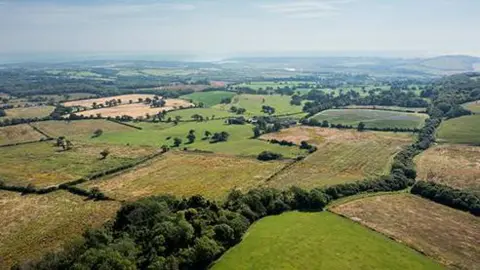
Scientists are to monitor people on the Isle of Wight to explore the potential health and wellbeing benefits of its parks, forests and beaches.
In April, researchers from the University of Southampton will work with Hampshire and Isle of Wight Wildlife Trust to survey visitors to Wilder Nunwell, Bembridge Beach, Puckpool and Appley parks, Ryde, and Sandown Beach.
The team aims to find out how people are using the spaces and what it is about them that makes them feel better.
Co-lead researcher Dr Rebecca Collins said: "We have a general understanding that time spent in these outdoor spaces is good for us, but we don't know exactly what components of nature are beneficial."