Fake damage and imaginary watches - how AI images are being used in insurance scams

 Admiral
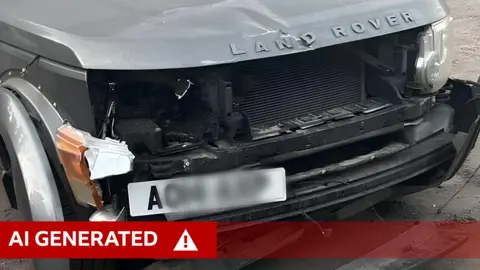
Fake number plates, imaginary watches and exaggerated damage have all been found in AI-generated insurance claims.
Cardiff-based insurer Admiral recorded a 71% rise in fraud during 2025 compared to the previous year, partly blaming the increased use of artificial intelligence software to manipulate evidence.
The Insurance Fraud Bureau said the industry was "heavily concerned" about AI-generated claims and was "investing in technology" to tackle the threat.
Customers risk having their claim rejected, their policy cancelled and potential prosecution if they invent or exaggerate a claim.
"This is a trend across the entire insurance industry," said Haith from Admiral's household claims team.
"We see AI that's been used to manipulate images to look like they've been damaged in a certain way, even to create and fabricate documents that were never there in the first place."
Due to the nature of their work, BBC Wales was asked not to use staff surnames.
 Admiral
The wider insurance industry is collaborating to try and tackle the threat posed by artificial intelligence from customers and organised crime gangs.
Documents shared with BBC Wales showed how artificial intelligence had been used to manipulate images and create photos of items that never existed.
They were all submitted to Admiral as part of an insurance claim, but were detected by the firm's fraud team.
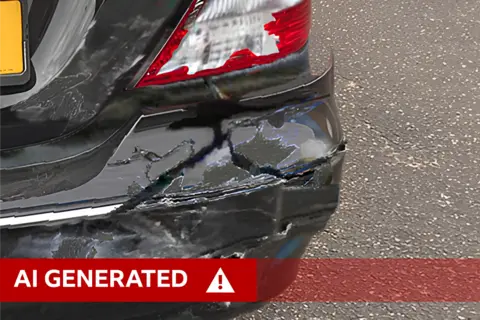
They include a picture of a gold and diamond watch which was clearly generated by AI, while the technology was also used to exaggerate damage to the back of a car.
 Admiral
In another example, a car number plate was changed and repositioned in order to duplicate a claim.
All of these efforts were spotted and the claims were rejected.
Despite the surge in AI-generated fraud, the insurance industry has attempted to match the technology with its own detection systems.
"Although those tools are becoming readily available, we've also got some very good anti-fraud software that we use that can detect AI, detect whether something has been manipulated, and we're getting a lot better at detecting it across the market as well," Haith added.
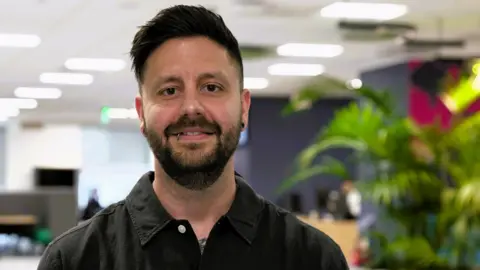
John Davies, from the Insurance Fraud Bureau, said "opportunistic" customers were using AI to exaggerate genuine claims.
But organised crime gangs were also using the technology to create "fake documents" which "makes their fraud more efficient".
"The industry is heavily concerned about this and investing in technology," he added.
"It is a fast-moving issue, but I think what is positive is the collaboration across the industry, the understanding that it is a threat, but also there are opportunities there in how we can share knowledge and best practice to help use AI in a positive way."
While insurance premiums increase for everyone to help cover the costs associated with fraud, those caught cheating the system could face criminal charges.
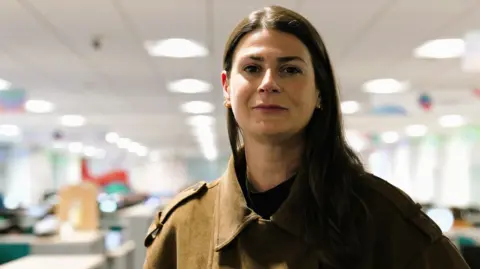
"The ramifications are huge," said Flora, who is part of Admiral's team that assesses potentially fraudulent claims.
"I think people often don't realise that the results of what can happen afterwards can potentially be life-changing, for at least the short term."
In worst cases it can result in a criminal conviction, Flora said, but "it can make your life pretty difficult" and it's "simply not worth it".