Wheelchair bar row 'highlights daily discrimination'

 Getty Images
Disabled people still face "daily "discrimination, a Coronation Street star has said after a wheelchair user was forced to leave a Manchester nightclub.
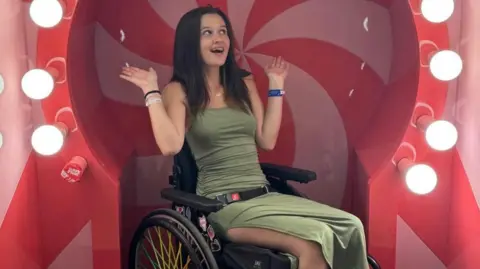
Club Tropicana told 18-year-old Maddie Haining she had to leave because she was a fire risk, an experience the student described as "infuriating".
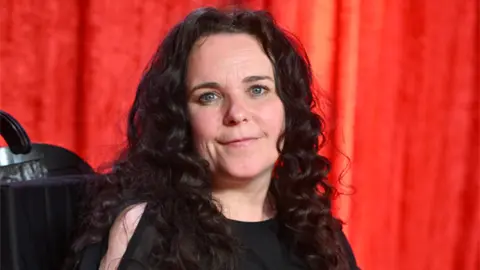
Cherylee Houston, who has played Izzy Armstrong on the soap since 2010 and is a disability rights campaigner, said Maddie's experience was "shocking and outrageous" but not uncommon.
She told BBC Radio Manchester: "It's daily, and I think people don't realise because it's not often spoken about unless it's an extreme case."
 Maddie Haining
Houston, who uses a wheelchair after being diagnosed with Ehlers-Danlos syndrome, said the incident pointed to a wider and "fundamental" issue where many disabled people were not made to feel welcome or accommodated at venues, some of which still did not have the right policies in place.
She said many disabled people had to think about whether they could get into a bar, shop or restaurant and "many of us just silently don't come back to a business after an experience like that".
The owners of Club Tropicana have since offered Maddie an "unreserved apology" for the "stress and embarrassment she experienced in our venue".
They said her treatment was "completely indefensible, unacceptable and appalling", and training and accessibility at the club would be reviewed after an investigation into what happened.
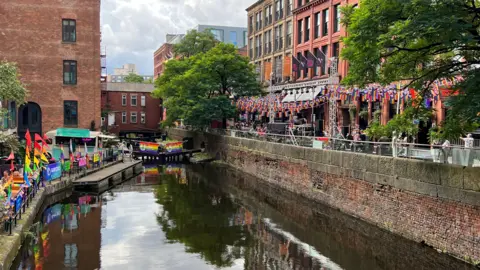
Manchester City Council's licensing committee earlier confirmed it had received a complaint from Maddie and was investigating.
Venues are legally required under the 2010 Equality Act to ensure reasonable adjustments like ramps and other measures are in place for disabled people.
John Hamilton, who runs two venues in Manchester's Gay Village, Bar Pop and The Church, said the city's venues did have problems with accessibility.
"The issues with Manchester is there is a lot of the new and old bars that aren't disabled accessible when it comes to wheelchairs. It's steps, you can't put lifts in, you can't do this, you can't do that."
Bar Pop had a disabled lift installed but it took seven minutes to take someone from the front door to the main floor, he said.
Hamilton said when insurers came to assess the club, they had said the lift would block the exit if operating during an emergency so they would not provide cover.
In the end, the venue bought ramps that could be used at a lower entrance at the back, with staff training to help those who need access.
Hamilton, who is also chair of the Manchester Pub and Club Network, said what happened to Maddie was "unfortunate", and staff "sometimes don't get the full training".
"All bars should be open to everybody," he said.
Houston, who is from Morecambe, said some people were "still fearful of engaging with disabled people".
She said: "We're 20% of the population. It's ridiculous, we're just human beings the same as everybody else."
Listen to the best of BBC Radio Manchester on Sounds and follow BBC Manchester on Facebook, X, and Instagram. You can also send story ideas via Whatsapp to 0808 100 2230.