Mums-to-be 'put at risk of harm' at new maternity unit

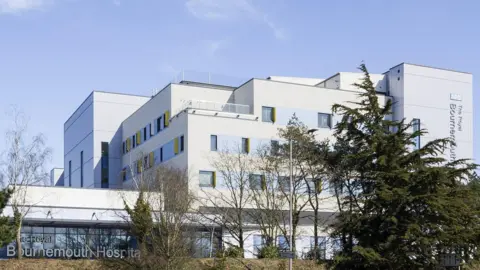 University Hospitals Dorset NHS Foundation Trust
Women and babies at a new maternity unit were at risk of "avoidable harm", the health watchdog has found.
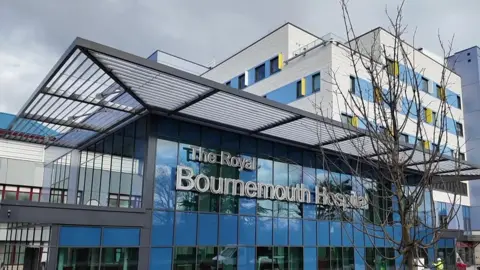
Care Quality Commission (CQC) inspectors rated Royal Bournemouth Hospital's maternity services as "requires improvement", following a visit six months after the dedicated unit opened.
It was the first inspection of the Birth, Emergency, Critical Care and Child Health (Beach) building which was designed to deliver some 4,400 babies a year, replacing ageing facilities at St Mary's Hospital in Poole.
University Hospitals Dorset (UCD) said it made "immediate improvements" following the CQC visit, and was continuing to "ensure it provides safe and timely care".
The CQC report said that "some aspects of the service were not always safe" and "there was an increased risk that women could be harmed".
The inspection, carried out in September, found some women were left waiting hours or days to be induced, increasing distress and likelihood of intervention.
Staff shortages and limited theatre capacity led to some elective caesarean sections being cancelled which led to "uncertainty and increasing anxiety for women".
It said staff shortages, high levels of sickness and gaps in the rota "made it harder for staff to give people the timely support they needed".
It added: "The service had insufficient numbers of maternity staff to keep women and babies safe from avoidable harm". However, there was adequate consultant and medical cover.
Inspectors also found the newborn security policy had not been updated for the new building and that recovery bay CCTV cameras compromised women's privacy and dignity.
The report did find that the service met all ten standards for monitoring babies during labour.
The unit also had specialist midwives on hand to support vulnerable women and consultant obstetricians were present for difficult births.
Catherine Campbell, CQC deputy director of hospitals, secondary and specialist care for the South-West, said: "We found committed staff doing their best in a busy new unit.
"But leaders didn't always have a clear understanding of the risks women were facing, or the staffing pressures building up across the service.
"This meant women weren't always triaged quickly, and delays could affect the safety of care."
She said "The team acted promptly to remove the cameras and update the security policy, which was reassuring," Campbell added.
Inspectors also witnessed "positive interactions" between staff and patients and women told them they were "treated with care and compassion".
Beach opened on 31 March last year.
During construction in 2022 health bosses said the maternity services would be "safer" in a modern unit, amid criticism from campaigners about increased journey times.
Following the CQC report, UCD said: "We made immediate improvements following the CQC visit, including updating our security policy.
"Our maternity team has been continuing to identify better ways of working in our new building to ensure we provide safe and timely care.
"We are pleased that our service is rated as good for being effective, caring and responsive.
"Families reported that our colleagues treated them with kindness and compassion.
"The CQC found that parents felt involved in decisions and enjoyed the privacy of their own rooms, with partners now able to stay which was not always possible at Poole Hospital. The CQC also reported that our midwives and doctors worked well together."
The CQC said inspectors would keep the service under close review and are due to re-inspect the service to monitor its progress.