Nature reserve boss hopeful for island's birds

 Brian Burke
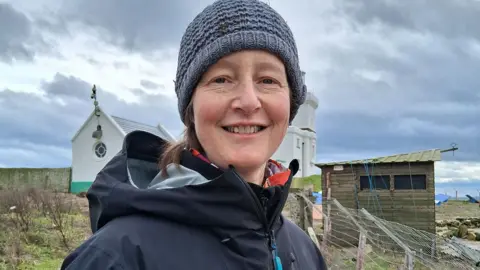
A nature reserve manager has said she feels "positive" about the future of seabirds living on a protected island.
Last year more than 25,000 breeding pairs of birds from 12 different species arrived on Coquet Island, in Northumberland - an increase in numbers of many on the previous year.
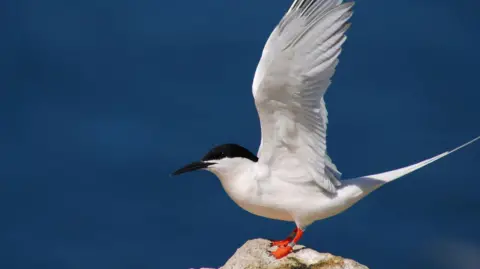
This included the island's endangered roseate tern population, which recorded its third highest number of pairs at 144.
RSPB reserve manager Sarah Dalrymple said the figures gave conservationists "real hope" for the island's bird population.
"After the challenges of the last few years, it's incredibly encouraging to see species showing resilience," she said.
In 2022, an outbreak of avian flu devastated the island's colonies and killed thousands of birds.
Coquet Island is the UK's only breeding ground for roseate terns but is also home to puffins, eiders, razorbills, fulmars, kittiwakes, gulls, as well as common, arctic and sandwich terns.
 RSPB
RSPBThe number of common terns on the island rose from 353 pairs in 2024 to 536 pairs last year - although, this is down from the pre-bird flu population of 1,875.
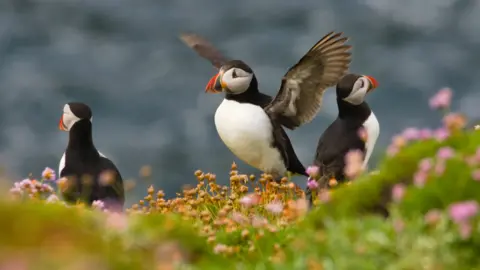
But the island was also home to 18,704 pairs of puffins, an increase of 8% on the previous year.
However, a number of dead puffins were recently found along the north-east of England coast.
The RSPB previously said the "seabird wreck" was likely caused by storms and could result in "significant colony declines".
 Annabel Sharpe (rspb-images.com)
Dalrymple said her team has not seen dead puffins on Coquet Island but she was "saddened" to hear about them washing up on beaches.
"It's still early in the season to really determine any impact on the birds at the nature reserve but any incident affecting seabirds is concerning," she said.
"We'll continue to monitor the island as we wait in anticipation for our seabirds return ready for the breeding season."
First razorbill fledgling
Despite these concerns, Dalrymple said she was hopeful bird numbers will continue to grow and her team would do all it could to support the colonies.
"We are positive about the future for Coquet Island as numbers in most species increase, and we are seeing new seabirds arrive, with the very first confirmed razorbill fledging from the island in 2025," she said.
"However, our seabird populations still face many threats and our expert teams will continue to help ensure they have safe places to breed and feed, plentiful food and work to eliminate adult mortality in seabirds."