Failed talks raise concerns for global economypublished at 04:52 BST
 Suranjana Tewari
Asia Business Correspondent
The collapse of peace talks and the associated jump in oil prices is another shock for the global economy.
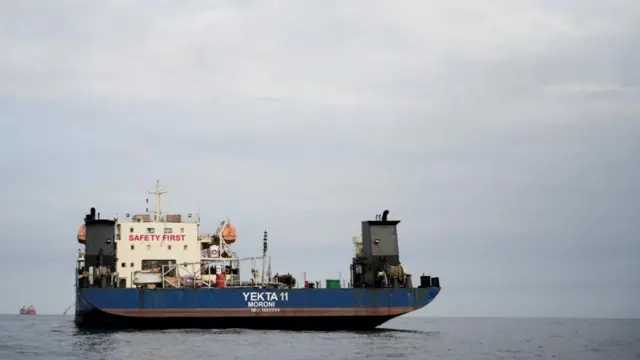
The main concern is supply. Analysts say up to two million barrels a day of oil could be at risk if shipping through the Strait of Hormuz continues to be disrupted. Shipping data already shows tanker traffic has slowed to a trickle, and there are growing fears over the planned US blockade.
That has pushed prices higher and increased volatility in energy markets.
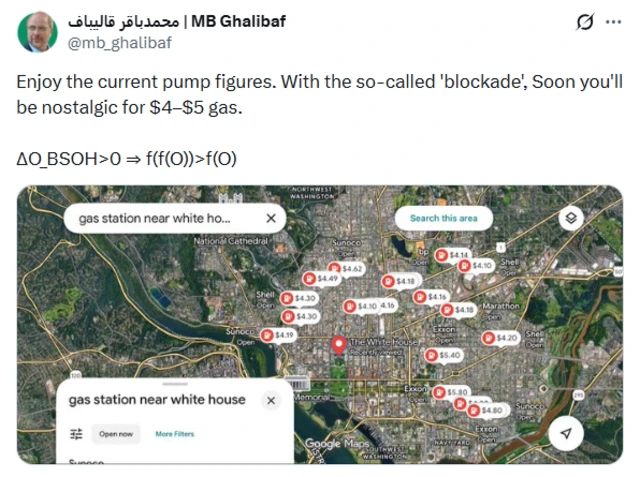
The impact on the wider economy is fairly direct. Higher oil prices feed into transport, food and other goods, adding to inflation and squeezing household budgets.
Many major central banks have only recently started moving away from high interest rates. If oil prices stay high, they may have to delay rate cuts.
Countries in Europe and much of Asia, which rely on imported energy, are likely to feel more pressure on growth and spending, while exporters are concerned about the drop in demand.
Markets are already reacting with weaker shares, higher oil prices and more uncertainty - a mix that raises concerns about slower growth alongside higher inflation.