UN vote to recognise slavery as 'gravest crime against humanity'
Wia dis foto come from, Universal Images Group via Getty Images
- Author, Wedaeli Chibelushi
- Read am in 4 mins
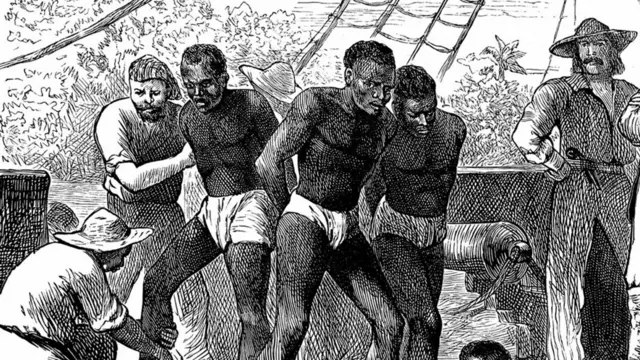
Di United Nations General Assembly don vote to recognise di slave trade as "di gravest crime against humanity", one move wey advocates hope say go pave di way for healing and justice.
Di resolution – wey Ghana propose – bin call for dis designation, as dem also urge UN member states to consider apologising for di slave trade and contributing to one reparations fund. Dem no mention any specific amount of money.
Di proposal dey adopted wit 123 votes in favour and three against - di United States, Israel and Argentina.
Fifty-two countries comot hand, including di United Kingdom plus European Union member states.
Countries like UK for long don reject paying reparations, as dem say dem no fit hold today institutions responsible for past wrongs.
Dis article contain content wey X provide. We ask for una permission before anytin dey loaded, as dem fit dey use cookies and oda technologies. You fit wan read di X cookie policy and privacy policy before accepting. To view dis content choose 'accept and continue'.
End of X post
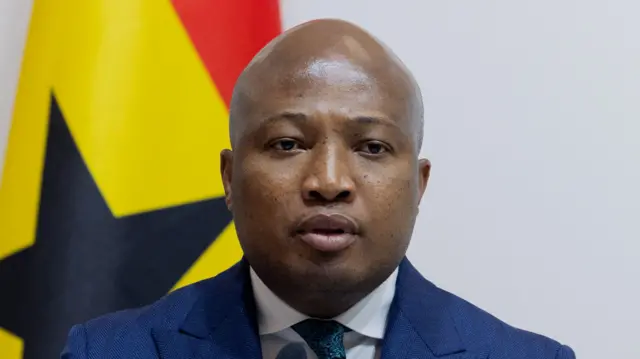
Earlier before di vote, Samuel Okudzeto Ablakwa, Ghana foreign minister, bin tell BBC Newsday programme say: "We dey demand for compensation - and make we dey clear, African leaders no dey ask for di money for themselves.
"We want justice for di victims and causes to dey supported, educational and endowment funds, skills training funds."
Ablakwa also say wit di resolution, Ghana no dey rank im pain above anyone else, but dem just dey document historical fact.
End of Di one wey oda users dey read well well
Di campaign for reparations don gain significant momentum in recent years - "reparatory justice" na di African Union official theme for 2025 and Commonwealth leaders don jointly call for dialogue on di mata.
Between 1500 and 1800, dem capture around 12-15 million people for Africa and carry dem go di Americas wia dem dey forced to work as slaves. E dey estimated say ova two million pipo die on di journey.
Ablakwa tell BBC say di "structures" and " inequalities" wey slavery create still dey till today.
Di resolution, wey di African Union and di Caribbean Community support, declare say di consequences of slavery remain, for di form of racial inequalities and underdevelopment "and e dey affect Africans and pipo of African descent for all parts of di world".
Ablakwa tell BBC say: "Many generations continue to suffer di exclusion, di racism sake of di transatlantic slave trade wey don make millions dey separated from di continent and impoverished."
Wia dis foto come from, AFP via Getty Images
Ghana, wey be one of di main gateways for di trade, for long be leading advocate for reparations.
Forts, wia dem bin hold tens of thousands of enslaved Africans under inhuman conditions, still dey stand along di West African country coast.
Di resolution also call for di return of cultural artefacts wey dem tiff during colonial to dia countries of origin.
"We want a return of all those looted artefacts, wey represent our heritage, our culture and our spiritual significance. Dem gatz return all those artefacts wey dem loot for many centuries enta di colonial era," Ablakwa tok.
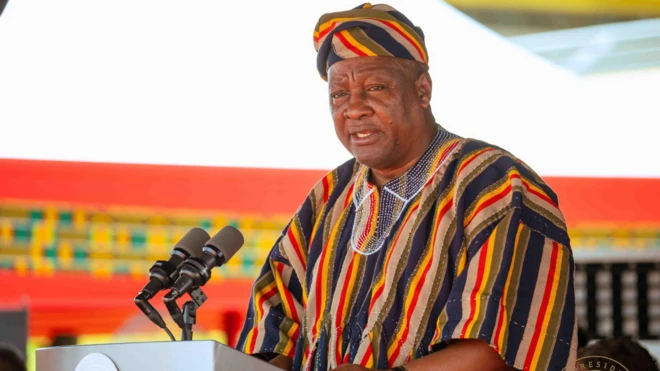
Ghana President John Dramani Mahama call di resolution "historic" plus "a safeguard against forgetting".
E also criticise Donald Trump administration for "normalising di erasure of black history".
Since e return to power, di US president don target American cultural and historical institutions for promoting wetin e call "anti-American ideology".
Trump orders don lead to moves like di restoration of Confederate statues and one attempt to dismantle slavery exhibit for Philadelphia.
"Dis policies don dey become template for oda govments plus some private institutions," Mahama tok.