| 13 November 2014 |

|
|
| BBC Homepage | | |
| |||
| Contact Us | | |
Nature FeaturesYou are in: Tees > Nature > Nature Features > The River Tees - Industry & Aztecs 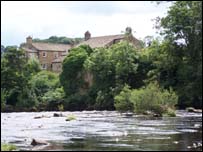 Mill at Egglestone on the Tees The River Tees - Industry & AztecsBy Matthew Davies Part 3 of Matthew's look at the magic of the River Tees and moves along towards the source of our river and more interesting stories from the people who live and work along the banks. I’m now heading further west and venturing into the area known as Teesdale. The river passes through the village of Piercebridge, where the remains of a large Roman settlement can still be seen today. The village of Gainford is not far upstream and, like Croft and Dinsdale, was once famous for its Spa waters. In the 19th Century, people from the region would head to Gainford to take the therapeutic waters. Once the village’s reputation had grown, a fountain and standpipe were built on the banks of the Tees and this has recently been restored to its Victorian glory. Out of Gainford, the river passes the village of Winston and you may recognise the road bridge over the Tees, as it has had a starring role on both the big and small screen. In the 1988 film “A Piece of Cake”, a Spitfire was flown under the 100 foot bridge at a speed of 200 mph. The same footage was used again more recently, in an episode of “Foyle’s War”. As my journey takes me closer to Barnard Castle, I reach the beautiful Egglestone Abbey and another view you may recognise, as the scenery is largely unchanged from when JMW Turner captured the area in his paintings. He made numerous trips to Teesdale to sketch and paint for various books and publications. I met Michael Rudd at Egglestone Abbey and he told me about the fascinating things he’s uncovered about Turner and how he set about making his famous paintings. You can hear my chat with Michae, along with the whole journey, on these pages. Barnard Castle is best known for its tourism these days, but the buildings sitting on the river banks were originally built for industry. The road is known as Thorngate and houses some stunning old buildings which used to produce wool, carpet and latterly were home to the North of England Chamois Leather Company which made protective clothing especially for the steel industry and Admiralty. Since 1982, when production at the mill ceased, the buildings have been converted into housing with the final renovations being completed only recently. Before the boundary changes in 1974, the Tees was the County boundary and, as I have travelled the river working on this documentary, I was told a great tale, that in years gone by people would cross the river late at night because pubs were open later in Yorkshire in County Durham! About half a mile outside Barnard Castle, I have come across the point where the railway used to cross the river before the Beeching cuts in the early 1960’s. Two mighty abutments are all that remains of the railway bridge today, but these two, imposing stone structures have been likened to Aztec Temples rising out of the jungle. There are some interesting plans for this area and you can hear my conversation with Bill Oldfield, who is part of a group working on ambitious plans to put the longest rope bridge in the world between these two abutments. The view from the top is inspiring. I could see all the way to the castle and Bowes Museum in Barnard Castle. last updated: 26/10/2008 at 11:35 SEE ALSOYou are in: Tees > Nature > Nature Features > The River Tees - Industry & Aztecs 
 
|
| | About the BBC | Help | Terms of Use | Privacy & Cookies Policy |