Radio announcer and television commentator, John Snagge started his BBC career in 1924 in Stoke on Trent, in what was then a regional radio station, before present day local radio had been thought of. He has a unique insight into the life of the BBC's first Director General, John Reith, and insightful reflections on the 'grammar' of radio itself.
Interviewed by John Lane
1924: Assistant Director of BBC 6ST (Stoke on Trent regional radio)
1928: Announcer at BBC 2LO (London regional radio)
1939: Presentation Director
1944: Presenter, War Report
1954: First BBC TV Newsreader
1965: Retired
Interview topics:
- His work at BBC 6ST in Stoke on Trent, and how his father intervened in his interview for his job
- The BBC and the General Strike and how that related to BBC 6ST
- Evening dress as worn on air in London
- Move from Savoy Hill to Broadcasting House
- Snagge, broadcasts and dealing with the Royal Family
- Origins of the Royal Christmas broadcast
- Early attempts at bringing in regional accents on air
- Air raid commentary during the war
- 1948 Olympic games
- Snagge's involvement with The Goons
-
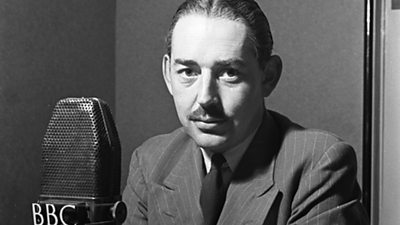
John Snagge OBE
Radio announcer and television commentator John Snagge became one of the definitive voices of the BBC, particularly during World War II. -
Sir James Redmond
Pioneer of early television, Engineer Sir James Redmond explores why Alexandra Palace was an ideal location. -
Sir Francis McLean
Former Director of BBC Engineering, McLean's BBC career started much earlier in the 1930s. -
George Campey
George Campey was a Television Publicity Officer and a Press Officer amongst many other senior roles in the BBC. -
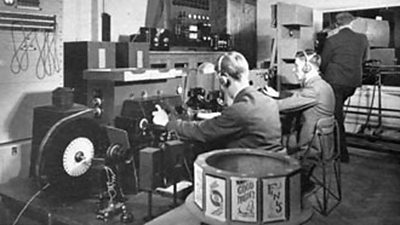
Tony Bridgewater
Tony Bridgewater worked with John Logie Baird in the days before the BBC had considered entering into television. -

Val Gielgud
In 1929 Val was appointed Head of Productions and was responsible for all radio drama and also contributed to the development of TV drama. -

Joanna Spicer
Known as BBC TV’s foremost television programme planner, it has been said that Joanna Spicer practically ran BBC Television single handed. -
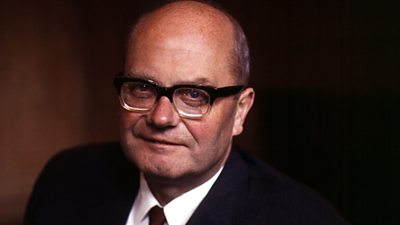
Sir Hugh Carleton Greene
Director-General of the BBC from 1960-1969. He is widely acknowledged as a moderniser of the Corporation. -
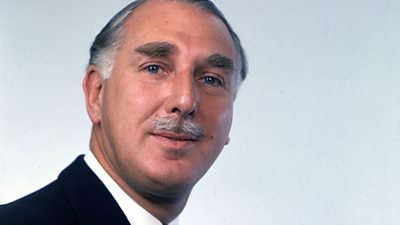
Peter Dimmock
Dimmock recalls the limited hours and means of post war television, and the strained relationship with management in Broadcasting House. -

Donald Baverstock
In his interview with Frank Gillard, recorded in October 1985, Baverstock recalls a career full of excitement, and innovation.


