
From Disaster to Victory: The British Army from 1916-1918
By Dr Dan Todman
Last updated 2011-02-17
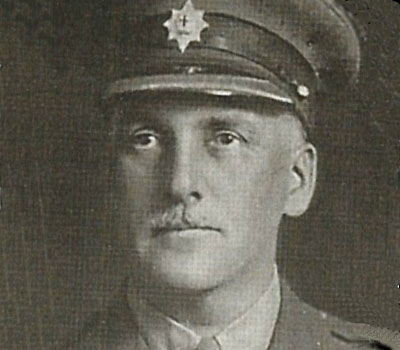
Learning curves
Learning curves
Military historians have come to talk of a ‘learning curve’ for the British army on the Western Front. This should not, however, necessarily be taken to mean a smooth progression of expertise. Many soldiers, at all levels of command, made mistakes or misinterpreted their experiences.
Sometimes the wrong lessons were learned, or circumstances prevented the use of the most effective tactics. Given the high turnover of personnel, improvements could be hard to sustain. Yet we can point to individuals whose long term experience of battle allowed them to adapt to the demands of the Western Front.
Rowland Feilding was an officer who served variously with the Coldstream Guards, the Connaught Rangers and the London Regiment from 1915 until the end of the war. On the Somme in September 1916, his battalion launched an attack which failed because the artillery preparation missed a German trench close to the British front line.
Two years later, he wrote of the relationship between infantry and artillery:
. . . the sense of comradeship and understanding between the two arms is almost perfect nowadays. Each appreciates the difficulties of the other’s job … It is generally better economy to risk a few casualties from our own fire than that the artillery should shoot too much for safety. More casualties may be caused in the attack by the machine guns of the enemy remaining in action between our infantry and our barrage, than are ever likely to result from accidents through closer shooting.’
World War One Centenary

- Find out more about how the BBC is covering the World War One Centenary, and see the latest programmes and online content
Surviving the trenches

Pack Up Your Troubles

BBC iD
BBC iDBBC navigation
BBC links

BBC © 2014 The BBC is not responsible for the content of external sites. Read more.
This page is best viewed in an up-to-date web browser with style sheets (CSS) enabled. While you will be able to view the content of this page in your current browser, you will not be able to get the full visual experience. Please consider upgrading your browser software or enabling style sheets (CSS) if you are able to do so.
