Six stands in one day: walking the Somme battlefield
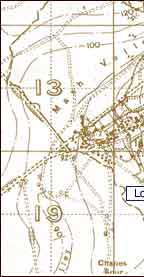
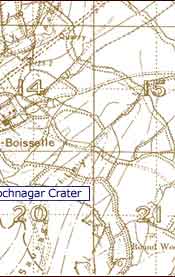
Stand 4: Lochnagar Crater - July 1 1916
- The largest of the mines exploded on 1 July. It contained 66,000lbs of ammonal in two charges 55 feet below the surface
- The Somme, with its chalk, was ideal for mining. The work was done by Tunnelling Companies, Royal Engineers, which often recruited men who had been miners in civilian life.
- The mine was blown at 7.28 on the morning of 1 July: the explosions constituted what was then the loudest man-made sound in history, and could be heard in London. The mine created a crater 90 yards across and 70 feet deep, with a lip 15 feet high.
- The sector was attacked by the 34th Division, a New Army Division consisting of Tyneside Irish and Tyneside Scottish battalions. It lost 6,380 officers and men that day, and was the hardest-hit British division
|
 |
 | Soldiers |  | |
| |
| |
| |
| |
| | Weapons | | |
| |
| |
| |
| |
| | The Home Front | | |
| |
| |
| |
| |
| | Art and War | | |
| |
| |
| |
| |
|
|