| 24 September 2014 |

|
|
| BBC Homepage | | |
| |||
| Contact Us | | |
Theatre and Dance ReviewsYou are in: Beds Herts and Bucks > Entertainment > Theatre and Art > Theatre and Dance Reviews > Review: Single Spies 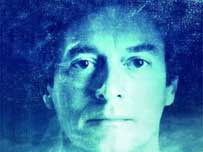 Nigel Havers Review: Single SpiesIan Pearce Alan Bennett's Cambrige Spy double bill is reprised with Nigel Havers and Diana Quick. Ian Pearce finds out whether they stand the test of time. This production is two separate plays performed by the same cast. When Alan Bennett wrote "A Question of Attribution" about the disgrace of Sir Anthony Blunt as the "fourth man", he adapted "An Englishman Abroad "to create an intriguing evening based around the Cambridge spy scandal. "An Englishman Abroad" tells the story of a real meeting between Guy Burgess and the Australian actress Coral Browne. Browne is touring with Sir Michael Redgrave in "Hamlet" and finds Blunt drunk in Redgrave's dressing room. We then see a meeting at the squalid apartment where Burgess lives. The excellent programme notes throw up all sorts of fascinating facts where Bennett himself become part of the apochrypha surrounding the story. Coral Browne played herself in the film adaptation alongside Alan Bates. When Burgess played a Jack Buchanan record in the film, Bennett was unaware that Brown nearly married Buchanan. It's now a lovely moment in the play. Diana Quick who plays Browne actually appeared with her before her death. I found this first play, only forty-five minutes long , the more satisfying of the two. Diana Quick is totally convincing as the direct antipodean actress. Nigel Havers is excellent here as well. I've always thought Havers to have only one character which he performs effortlessly. Here though he is superb as the broken man, trying to make the most of his empty life. He gives Blunt just the right hint of camp eccentricity to imply his homosexuality. The second play was written later after Margaret Thatcher's government had run out of patience with academic Sir Anthony Blunt. The Queen's Surveyor of Pictures was named and publicly humiliated as being the fourth man after Philby, Burgess and Maclaine who all defected in 1951. Unlike the Browne and Burgess meeting, this play is an imaginary stream of events. Blunt is regularly visited by Chubb a policeman who shows him slides of potential collaborators. Blunt however seems to be educating Chubb about art appreciation. We then see an quite amazing scene set in Buckingham Palace. Blunt is taking down a Titian for investigation when he is surprised by the Queen. Her Majesty and Blunt talk about art fakes and forgeries. It's obvious the Queen knows about Blunt's past and Blunt knows she knows. The Queen is well portrayed by Diana Quick. She has the casual HMQ look although facially she does not resemble the monarch. Yet Quick is obviously the Queen. She speaks her lines convincingly and Bennett has captured a sense of mischief which we believe Her Majesty possesses. It is what she says that makes this so convincing a portrayal. Havers is also good as Blunt, again managing to portray a totally different character in the older Blunt. For me though Bennett's attempt to link the hidden fourth and fifth figures in the Titian painting to the Cambridge spy circle was a little obvious. Where these plays work well is that the concentration is on the human beings involved. At no time do we know what Burgess or Blunt actually did. Nor do we need to know. Academically and politically aware young men were attracted to Communism in a world threatened by Facism. It's a Cambridge Bennett understood well: only he was lured by Footlights instead. Overall this is a very satisfying evening in the theatre. Bennett's words are as always clever . With no stage amplification I missed a couple of the jokes but as I've said before that might be my hearing. However Milton Keynes Theatre is a big space to fill. Both Havers and Quick are in excellent form. If you know the history you'll enjoy "Single Spies". If you don't, I do recommend buying the programme and reading it before the curtain goes up. Ultimately I suspect Burgess and most certainly Blunt didn't do very much to earn their traitor badge. Burgess defected during the witch hunt of 1951. Blunt fell victim to our Le Carre inspired fixation with spies in the late seventies. As both characters say, "It seemed like the right thing to do at the time"... last updated: 29/04/2008 at 13:33 You are in: Beds Herts and Bucks > Entertainment > Theatre and Art > Theatre and Dance Reviews > Review: Single Spies  Rhythms of the World! |
| | About the BBC | Help | Terms of Use | Privacy & Cookies Policy |