| 27 November 2014 |

|
|
| BBC Homepage | | |
| |||
| Contact Us | | |
Arts FeaturesYou are in: Shropshire > Arts and Culture > Arts Features > Don't Hide in the Margin 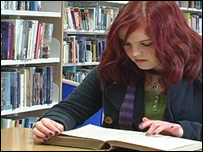 Don't Hide in the Margin Don't Hide in the MarginA new short film made by young people in Bridgnorth tackles some of the big issues affecting teenagers. A group of Bridgnorth pupils hope to get teenagers talking through their short film titled Don't Hide in the Margin. In the video big issues like teenage pregnancy sit alongside other popular themes such as relationships and the quest for privacy from younger siblings.
Aimed at older primary school pupils onwards, the message is a simple one: don't feel isolated. According to one of the group, 16-year-old Helena, "The idea of the film was to encourage people to talk about their problems more openly, with the whole slogan 'Don't Hide in the Margin'." 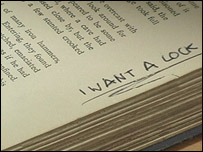 In the film, words left in the margin of a library book cut to scenes underlying the experiences they represent. Dialogue is purposefully scarce and the various themes are tied together with the aid of a sensitive soundtrack composed by 18-year-old Dan Bradley. The film was made thanks to a £7,000 grant from the Local Network Fund and a further £500 from Bridgnorth District Arts. Produced by Bridgnorth-based arts company Rattlestick, the project has been very much led by its young team. Don't Hide in the Margin was born out of another Rattlestick production, Ourspace - a theatre and film project made in summer 2007. Rattlestick director Nick Fogg explained that they were keen to continue working with the group: "We carried on talking to the young people to see what they'd be interested in doing next and discussed ideas for a pure film project." As well as the overall concept and themes, the group of mainly sixth form students were also involved in writing the script, acting, shooting, editing and even publicity. 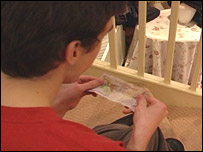 The level of participation has proved popular as 16-year-old Natalie summed up: "I've been involved in projects before where you're just given a script and told to learn it and come back and perform it... but being able to do lots of different things gives you different views on film-making." Coming up with the film's themes was no easy task as Helena explained: "We brainstormed issues that might affect young people... we wanted to stay away from the stereotypical ideas of 'I'm being bullied' or self-harm... With the notes in the margin we wanted to think of more original notes... so the audience questioned more what the notes were about. "For example 'I want a locked door' - it doesn't seem particularly like a teenage problem... but a lot of teenagers want privacy and don't have it from their siblings." Avoiding common teen issues like bullying, while focussing on relevant (but relatively untouched) themes like privacy gives the film both a freshness and authenticity that would make many youth media projects jealous. Many of the themes are based on genuine experiences and conversations - if not the experiences of the teenagers involved, often those of their friends. 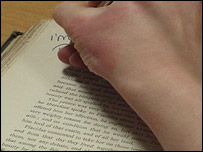 Words scribbled in the margin of a book is nothing new, as anyone who has used a second-hand text book will testify. It might be regarded as graffiti, or useful notes for English coursework. In this case, words have been left by random people, all with something on their mind. Leaving anonymous notes for strangers is still keeping a problem to yourself, and the Don't Hide in the Margin team hope their film will encourage people to talk about what's on their mind and bring it into the open... "The idea of their being little speech is more about the thoughts inside your head, more about the problems you're thinking about, because obviously the idea is you're not expressing yourself properly." If you can think of an event or group that would benefit from showing Don't Hide in the Margin, contact Nick Fogg at Rattlestick: rattlestick@talk21.com. last updated: 30/05/2008 at 18:59 Have Your SayHave your say on the film You are in: Shropshire > Arts and Culture > Arts Features > Don't Hide in the Margin  |
| | About the BBC | Help | Terms of Use | Privacy & Cookies Policy |