 | 24 September 2014 |

|
|
| BBC Homepage | | |
| |||
| Contact Us | | |
Local HistoryYou are in: Norfolk > History > Local History > Take a tour of Great Yarmouth's history 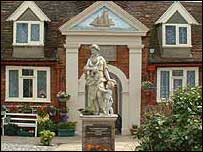 The Fishermen's Hospital is a hidden gem Take a tour of Great Yarmouth's historyBehind Great Yarmouth's brash bucket and spade image is a town which is steeped in history. Its beaches attract thousands of holiday-makers each year, but in the 1400s its location lured people keen to make lots of money. Help playing audio/video Great Yarmouth WalksIf you'd like to find out more about the history of Great Yarmouth and the surrounding area, there are five walks to choose from, which run between April and the end of October:
For more information and to book a place, call the town's tourist office on 01493 846346. Great Yarmouth started life as a small spit of sand in the middle of an estuary that gradually silted up until land was formed which people built on. The elegant houses which still line the harbour's mouth and Southtown Road point to a time when the town enjoyed a lot of prosperity - due to a small fish called the herring. The herring, which was found in the North Sea surrounding the town, was Great Yarmouth's path to fortune. Fishermen moved to the town from around the country - and they were followed by the merchants who sold herrings to the whole of Europe. One of the reasons why the herring made so much money was because it could be preserved in salt. While other foods would be inedible by the time they reached their destination, a profit could be made on each herring fished. 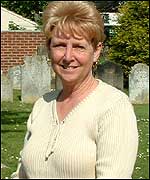 Our town guide Angela Woodgate King's death warrantAs well as wealthy, Great Yarmouth was also a prominent place to live. The last person to sign King Charles' I death warrant as part of Oliver Cromwell's rebellion lived in the Market Place. Miles Corbet was the town's MP, but after Cromwell's Commonwealth was quashed by Charles II, his life was in danger and he had to flee from Britain. Eventually, he was tracked down in Holland and brought to the Tower of London where he endured a tormented end. Surely this was not something he anticipated when he added his name to the death warrant, which he is said to have signed at the Elizabethan House on the quay. The other Nelson's ColumnThe quayside is also an important place in the town's history for another reason. Admiral Nelson docked his ship in the port in 1800 after the Battle Of The Nile and is said to have stayed at The Wrestlers pub in the Market Place. Locals showed their appreciation to the seafaring hero by donating money towards a monument. 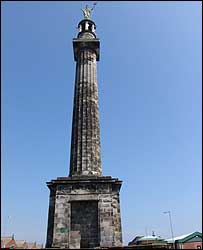 Nelson's Monument is open to the public The 144-ft column in South Denes - which was built 24 years before the one in Trafalgar Square - is topped by a statue of Britannia which points to Nelson's birthplace in north Norfolk. This statue is responsible for a piece of folklore after the town surveyor died while climbing the steps of the tower. Thomas Sutton is said to have thrown himself off the top of the column after he discovered Britannia was facing the wrong way - but if you want to know the real reason for his death then you'll have to take our tour. The RowsAlthough the town was heavily bombed during the Second World War, some of its ancient rows still remain. People lived and worked down these dark, smelly and dingy lanes, where residents slung their rubbish out into the sloping pathways so it would be washed away to sea. The town's 145 rows were built so close together that people could open their windows and touch hands with their neighbours. But people opening their doors out into the rows caused problems so a law was passed to make people reverse the hinges on their doors to open inwards instead. If you didn't obey then you were fined and your door was nailed shut so you couldn't get out! Today, just a few rows are still standing as part of the old format, which ran between St Nicholas Church and the fire station on Friars Lane. The tourOn our tour discover how Great Yarmouth made its fortune and find out about its famous visitors. Please be patient though as it may take a few moments to download. You can also discover some fascinating facts about St Nicholas Church, the Fishermen's Hospital, Market Gates, Palmers department store, Miles Corbet's house, the town wall, Nelson's Column, the suspension bridge disaster, troll carts and the rows. The Great Yarmouth town tour was originally published in 2004.last updated: 14/04/2008 at 11:03 SEE ALSOYou are in: Norfolk > History > Local History > Take a tour of Great Yarmouth's history 

|
| | About the BBC | Help | Terms of Use | Privacy & Cookies Policy |