| 13 November 2014 |

|
|
| BBC Homepage | | |
| |||
| Contact Us | | |
Weather and NatureYou are in: Lincolnshire > In Pictures > Weather and Nature > A Really Simple Guide to Taking Better Photographs 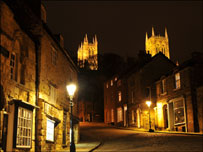 A Really Simple Guide to Taking Better PhotographsAre you a happy snapper or do your photos come out blurred, out of focus or too dark? 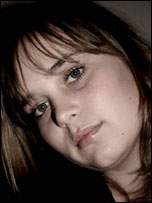 Portrait Shot Photographing People and AnimalsPhotograph the subject at their eye level, always focus your camera on the subject's eyes and use flash if you want to capture the catch lights. A host of modern cameras now come with a face recognition feature, this is a really useful setting for photographing people. Don't be afraid to experiment, rather than standing people in a line, try arranging them in a creative way, don't be afraid to direct people to get the shot that you want. Use angles to add perspective to your shots, try shooting the subject with their shoulder and head slightly tilted, this will help to add perspective to your photo, and don't be afraid to get in close. 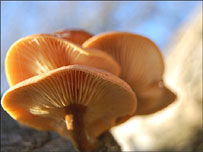 Get close to nature by Michelle Andrews Macro PhotographyThe macro setting on your camera will be a symbol which looks like a little flower, it is an ideal setting for getting really close to your subject and highlighting the closest detail. Without getting into the science of how it works, macro will focus on close objects and at the same time will help to blur the background of your image. Macro is often used when shooting the natural world and you can achieve some great results when taking pictures of plants and insects, macro can also be used to capture detail in faces, it is particularly good for taking shots of writing or signs and basically any subject where you want to get close to the detail. 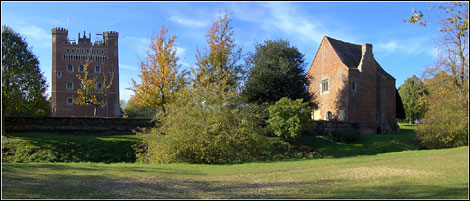 Landscape by Colin Brammer Landscape PhotographyMost cameras will have a setting which is really useful for taking landscape shots, this setting will focus on all the detail in a picture and the camera will attempt to keep everything in focus and not just objects close to you. You will normally see landscape photographers using a tripod, this isn't just for show - for your camera to keep everything in focus it may require a slower shutter speed and you will not be able to hold your camera still enough to keep the image sharp. Don't worry too much if you don't have a tripod, try using what is around you to improvise: bins, tree stumps, benches, in fact any flat surface can really help in this situation, your camera should generally only need the support when there is not enough light available. The magic number to watch our for is 1/60 of a second - which is how long it takes the camera to take the picture when you press the button, below this your pictures will start to get blurred and may not be sharp. Remember, landscape photography doesn't just have to be of trees and fields, use this setting when you want to keep all of the content in your picture in focus. 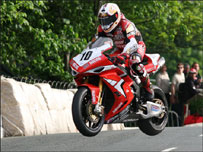 Steve Plater in action, by Wally Walters Sports and EventsSome of the best pictures you will see in the media are from sporting events, and while the pros have thousands of pounds worth of equipment it is still possible to take a decent action shot with a compact camera and a bit of practice. It is important to understand the sport you are shooting, where and how the participants move? Try to anticipate the action and get as close as you can to the event. Some cameras will have a sports mode, this allows you to keep a moving subject in focus. If you are tracking a moving subject, keep them in the centre of the frame and keep moving with the subject as you take the picture. This is quite difficult to get right, but with a bit of practice you will notice much improved results. CreativeRemember, rules are made to be broken and you can achieve great results by experimenting, shooting from different angles and getting in really close to subjects. Photographs taken from unusual angles or extreme close ups are generally more interesting. Try to use objects in the foreground of your photos to add perspective to what's behind and don't centre everything in your shots - It will have more impact when placed off centre. 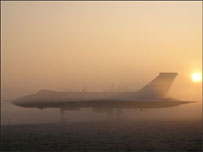 Picture by David Windebank Time to try itPhotography has more than its share of technical terms associated with the subject: aperture, ISO, framing, depth of field and so on, luckily, most modern cameras have a variety of preset functions to help - we have covered a few of them here, but it is important for you to really read and try specific functions for your camera. Don't be afraid to experiment and try out the features on your camera. You can send in your photos to: Send us your pictures
And we may even add them to one of BBC Lincolnshire's photo galleries. last updated: 23/12/2008 at 14:48 SEE ALSOYou are in: Lincolnshire > In Pictures > Weather and Nature > A Really Simple Guide to Taking Better Photographs
| ||||||||||||||||||||||
| | About the BBC | Help | Terms of Use | Privacy & Cookies Policy |