
From D-Day to Berlin Gallery
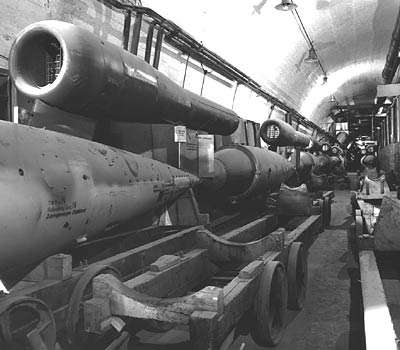
V-bombs
On the V-bombs ...
The first ten V-1s were launched on London on 12 June 1944, and six days later 121 people were killed by a direct hit on the Guard's Chapel at Wellington Barracks. At the end of the month some 100 'doodlebugs' - as Londoners called them - were being directed at the capital every day. According to the writer Evelyn Waugh, they were 'as impersonal as a plague, as though the city were infested with enormous, venomous insects'.
On the basis of secret intelligence reports, the British government anticipated a prolonged onslaught that might cause 100,000 casualties each month, and even require the evacuation of the city. Yet as things turned out, their impact was far less powerful than the Germans had hoped, with some 6,000 Londoners killed by the end of the war, and another 17,000 injured. How did this happen?
Excerpt from Desperate Measures by Louise Wilmot
World War One Centenary

- Find out more about how the BBC is covering the World War One Centenary, and see the latest programmes and online content
Surviving the trenches

Pack Up Your Troubles

BBC iD
BBC iDBBC navigation
BBC links

BBC © 2014 The BBC is not responsible for the content of external sites. Read more.
This page is best viewed in an up-to-date web browser with style sheets (CSS) enabled. While you will be able to view the content of this page in your current browser, you will not be able to get the full visual experience. Please consider upgrading your browser software or enabling style sheets (CSS) if you are able to do so.
