| 24 September 2014 |

|
|
| BBC Homepage | | |
| |||
| Contact Us | | |
People Like YouYou are in: Cambridgeshire > Features > People Like You > HIV and you...  Luke Mallett, General Manager, Dhiverse HIV and you...The BBC is launching a campaign to raise awareness of HIV in the UK among the 16-34 age group. It is now the fastest growing serious health condition in the UK and the Eastern Region has a high rate of new diagnoses. AIDS fact file
The programme 'Stephen Fry - HIV and Me' (BBC 2, Tuesday 2 October, 9pm) launches the BBC's awareness campaign on HIV and Aids. HIV is now the fastest growing serious health condition in the UK1. Young straight people aged 16-34 represent the fastest growing percentage of new diagnoses in the UK2.  Dhiverse - HIV and sexual health charity We spoke to Luke Mallett, General Manager from Dhiverse, a Cambridgeshire-based HIV and sexual health charity that serves the Eastern Region, for an insight into current trends in HIV and Aids. Tell us a bit about DHIVERSE?DHIVERSE has a vision of a time when people no longer die of AIDS, where everyone has the information and ability to protect themselves from HIV and other sexually transmitted infections, and where people living with HIV do not experience stigma and discrimination. What is HIV?HIV stands for Human Immunodeficiency Virus. The virus weakens the immune system, infecting and ultimately destroying CD4 white blood cells. This means that someone who is HIV positive may be more susceptible to illnesses, that ordinarily would be managed by a healthy immune response.
If the virus is not treated to manage its progression within the body, most people with HIV will go on to develop AIDS (Acquired Immune Deficiency Syndrome). AIDS related illnesses such as certain types of pneumonia, and cancer can be extremely serious, and ultimately fatal. There is no cure for HIV; only treatments to reduce the reproduction of the virus within the body. Who can get HIV and how is it caught?Anyone can become infected with HIV. In the UK most people acquire HIV when they have sex without using a condom with someone who is HIV positive. It does not matter whether you are straight or gay, if you have unprotected sex (including oral sex) with someone who is HIV positive you will be at risk of becoming HIV positive yourself. HIV can also be transmitted by sharing needles to use drugs, for tattooing or for piercing. Since the mid 1980s all blood supplies in the UK have been checked for HIV and Hepatitis (another group of blood borne viruses that affect the liver), and so blood transfusions in this country have not been a risk since then. 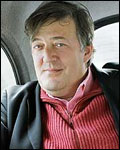 Stephen Fry launches BBC HIV campaign An HIV positive mother can also transmit HIV to her baby, this may occur during pregnancy, childbirth or as a result of breastfeeding. HIV is present in the breast milk of HIV positive mothers. There is no risk of HIV transmission from social contact such as shaking hands, kissing, sharing cups or working with someone who is HIV positive. Young straight people aged 16-34 represent the fastest growing percentage of new diagnoses in the UK - why is that?In the early days of the UK epidemic it was often thought that HIV was confined to particular communities such as gay men, drug users, and those who contracted HIV from blood transfusions. This may have led other groups to feel they were not at risk. The rising rate of HIV and sexually transmitted infections amongst younger people is in part due to changing sexual behaviour, we know that in the UK people are having more sexual partners , and are more likely to have sex at a younger age. We know that amongst younger people in the UK there is significant risky sexual behaviour. With 25% of 14-15 year olds believing that the contraceptive pill will protect against HIV and sexual infections , and half of teenagers not using any form of contraception the first time they have sex. Having HIV used to mean a short-life expectancy - is it still the same case today?Treatments for HIV have significantly improved over the last ten years, in terms of increasing effectiveness, being easier to take, and reduced side-effects. As a result the life expectancy of most people diagnosed with HIV has now increased. Treatments for HIV are not a cure, and many of the medicines used to manage HIV have side effects in the short and long term. Some people are not able to tolerate the drugs, and some people have been becoming infected with HIV that is already resistant to some treatments. The only way to remain safe for life is not to become infected with HIV in the first place. The Terrence Higgins Trust estimates that if current trends continue over the next 25 years, there will be 400,000 people living with HIV in the UK by 2032 - what should we be doing to halt this trend?Vital to halting this trend is the provision of education and clear information on how HIV is transmitted and where support, advice, testing and treatment are available. By improving access to testing services and raising awareness of why getting tested is important, we can begin to reduce the number of people living with undiagnosed HIV and reduce the risk of onward transmission. We must tackle HIV stigma and discrimination. HIV continues to be surrounded by negative perceptions, that blight the lives of people living with the virus. Stigma and the fear of discrimination make it less likely people will access testing and support services. These are the challenges that we face if the increasing trend of HIV in the UK is to be reversed. Need to know more?Jeremy Sallis speaks to Steve Moralee, development manager from Dhiverse, on the BBC Radio Cambridgeshire Breakfast Show - Steve says that anything which can raise awareness of the condition can only be good, and he talks about the stigma surrounding HIV and the increase in the condition in the east of England. Audio and Video links on this page require Realplayer 1. “What does HIV actually stand for?”, Essential/BBC Qualitative and Quantative Research Survey and Focus Groups, May/June 2007 last updated: 10/10/07 Have Your Say
Marcus
Dominic Hillman SEE ALSOYou are in: Cambridgeshire > Features > People Like You > HIV and you... |
| | About the BBC | Help | Terms of Use | Privacy & Cookies Policy |